
What’s the Best Laptop for College Students Right Now?
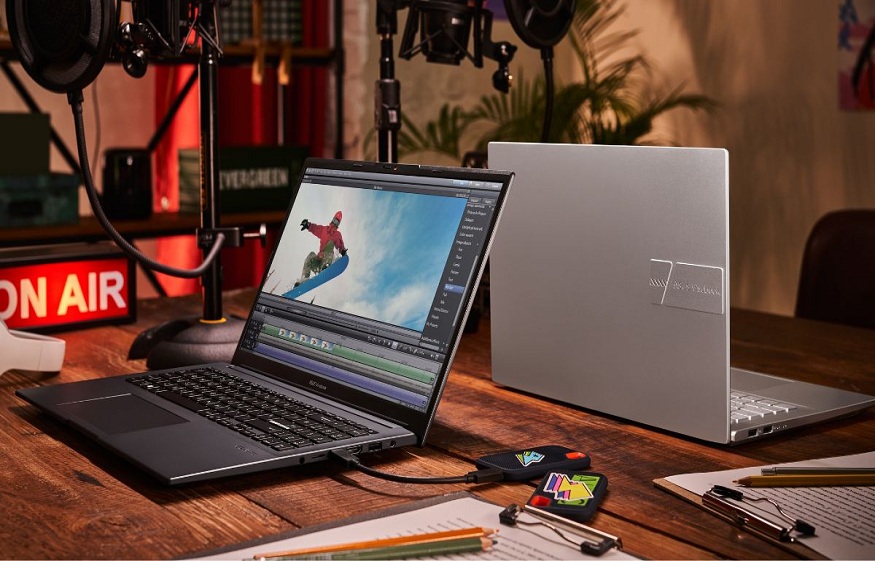
Many individuals search for a device that supports basic academic tasks such as online classes, research work, note-taking, and presentations. However, selecting a suitable laptop often feels confusing for students who have limited technical knowledge. When buying a laptop, instead of focusing only on brands, it also becomes important to understand the key factors that influence everyday usage. This article explains essential points to consider when buying a laptop and provides simple explanations of a few popular laptop options that individuals may consider.
Popular Laptop Choices for College Students
Here are a few popular good laptops for college students for their everyday study needs and simple performance requirements.
- ASUS Vivobook S14
The ASUS Vivobook S14 (S3407) is often selected by students who prefer a lightweight laptop for regular travel between classes. It features a 14-inch display, modern processors, SSD storage, and essential ports that support tasks like assignments, online lectures, and basic project work. Its compact size makes it convenient for students who carry their laptops throughout the day.
- Dell Inspiron 15
The Dell Inspiron 15 is commonly chosen for general academic use. Its 15-inch screen provides a comfortable viewing area for reading study material and preparing presentations. Students may find it suitable for writing assignments, attending online classes, and browsing academic content. It offers steady performance for most everyday college tasks.
- Lenovo IdeaPad Slim 3
The Lenovo IdeaPad Slim 3 is designed with portability and simple productivity in mind. Many students choose it for routine study needs like researching topics, preparing documents, and accessing digital learning content. Its lightweight structure makes it practical for commuting between home, college, and libraries.
Things to Consider When Buying a Student Laptop
Here are a few factors that individuals may consider when buying a laptop for academic activities.
Budget
Setting a budget helps create clarity between essential academic needs and reasonable spending. A basic low-priced laptop can handle tasks such as writing assignments and browsing study materials, while moderately priced options support smoother multitasking and project preparation. A well-planned budget range prevents unnecessary expenses and enables informed decision-making.
Battery Life
Strong battery life allows students to continue learning across classrooms, libraries, and during travel without frequent charging. It ensures steady access to lessons, recorded lectures, and digital notes throughout the day.
Storage
SSD storage offers quicker system response and faster access to files. Students handling study materials, images, or recorded sessions benefit from adequate storage space. External drives or cloud solutions help organise larger files when required.
Portability
A lightweight laptop reduces strain during daily travel and fits comfortably in college bags. A compact form supports convenience and enables students to carry their devices easily throughout long academic schedules.
Operating System
The operating system manages applications, files, and overall device interaction. It determines software compatibility for academic programs, making it important to verify OS requirements before choosing a student laptop.
RAM
Sufficient RAM ensures smooth performance while running multiple study applications or browser tabs simultaneously. Higher memory minimises delays and supports consistent productivity during research or assignment work.
Conclusion
Choosing a suitable laptop depends on aligning device features with academic learning patterns, rather than focusing only on brand names. Considering aspects such as budget, battery life, storage capacity, portability, operating system, and RAM enables individuals to evaluate options based on study patterns and course requirements. The overview of popular models provides a simple starting point for comparison. With clear priorities in mind, students wisely choose a laptop that supports reliable learning, daily productivity, and long-term academic growth with confidence.
FAQs
- Is 8GB or 16GB better for college?
The choice depends on the type of academic work involved. For basic study activities such as browsing, writing assignments, and attending online classes, 8GB handles daily tasks comfortably. Students involved in design, programming, or multimedia projects benefit from 16GB as it supports heavier multitasking without noticeable slowdown. - Is i5 or i7 better for college students?
Both options support common academic workloads. Processors from the i5 range suit regular learning tasks, while i7 provides higher power suitable for students working with advanced software, including editing or technical applications. - Which processor is best for a laptop for college students?
The best processor depends on course requirements. Any modern mid-range processor handles everyday learning needs effectively. - Does RAM affect processor performance?
RAM supports how smoothly tasks run while the processor manages the workload. Insufficient RAM creates performance delays even if the processor is strong, while adequate memory allows both elements to function efficiently together. - How much RAM do I really need?
For regular classroom tasks, online submissions, research, and streaming lectures, 8GB offers stable performance. Students using advanced creative or technical tools may prefer 16GB to maintain smooth activity during demanding academic tasks.